
Why Is My House So Hot Upstairs? How to Fix It Without Replacing Windows
If your house is hot upstairs and cold downstairs, you are not imagining things. This is one of the most common comfort complaints homeowners deal with in Missouri and Illinois, especially once summer hits and temperatures climb into the 90s.
The upstairs of your home takes the worst beating from the sun. Heat naturally rises, and your second floor sits closer to the roof where radiant energy builds up all day long. Add large windows or south-facing bedrooms to the mix, and you have rooms that feel ten to fifteen degrees warmer than the rest of the house.
Most people assume the only fix is replacing their windows or overhauling their HVAC system. Both of those options cost thousands. But there is a simpler, more affordable solution that tackles the root cause of the problem: solar window film. It blocks the heat before it enters your home, keeping upstairs rooms cooler without a single window replacement.
This guide breaks down exactly why your upstairs gets so hot and what you can do about it today.Why Missouri Homes Overheat Through Their Windows
Missouri sits in a climate that swings hard between seasons. Summer heat indexes regularly push past 95 degrees, and the sun stays high for most of the day.
Ordinary window glass simply lets that solar energy through. A meaningful share of the heat in your home can enter through unprotected windows, and west-facing rooms take the worst of the afternoon sun.
The result is uneven temperatures, rooms that never quite cool down, and an air conditioner that never gets a break.
Why Your Upstairs Gets Hotter Than Downstairs
The science behind this is straightforward. Hot air rises, which means heat generated on your first floor migrates upward throughout the day. Your second floor also sits directly beneath the roof, which absorbs solar radiation and radiates it downward into your living space.
In Missouri, where summer temperatures regularly push past 95 degrees, roof surface temperatures can exceed 150 degrees. That heat transfers through your attic and into your upper-floor rooms, making them feel like ovens by late afternoon.
Windows are the other major factor. Glass is a poor insulator on its own. South-facing and west-facing windows let in massive amounts of solar heat gain, especially during peak afternoon hours. If your upstairs bedrooms have large windows, they are essentially acting as magnifying glasses that trap heat inside.
The Problem With Just Cranking Up the AC
When your house is hot upstairs and cold downstairs, the instinct is to lower the thermostat. But here is the issue: your HVAC system is trying to cool the entire house from a single thermostat, which is usually located on the first floor.
The first floor reaches the set temperature and the system shuts off, while your upstairs is still sweltering. You end up overcooling the downstairs just to make the upstairs bearable, which wastes energy and drives up your utility bills.
Running your AC harder does not solve the root cause. The sun is still pouring heat through your windows. You are essentially trying to bail water out of a boat without plugging the hole.
How Solar Window Film Fixes the Hot Upstairs Problem
Solar window film works by blocking a significant percentage of the sun's heat before it passes through your glass. High-quality films like 3M window film can reject up to 78 percent of solar heat, which means your upstairs rooms stay dramatically cooler without any extra load on your AC.
The film is applied directly to your existing windows. There is no need to replace glass, no construction, and no disruption to your home. Most installations take a single day.
For homeowners in the St. Louis metro area and across Missouri, this is a practical solution that delivers immediate results. Your upstairs bedrooms become comfortable again, your AC runs less, and your energy bills drop. You can learn more about how this works on our Residential Solar Tinting Page. Window Film vs Curtains, Blinds, and New Windows
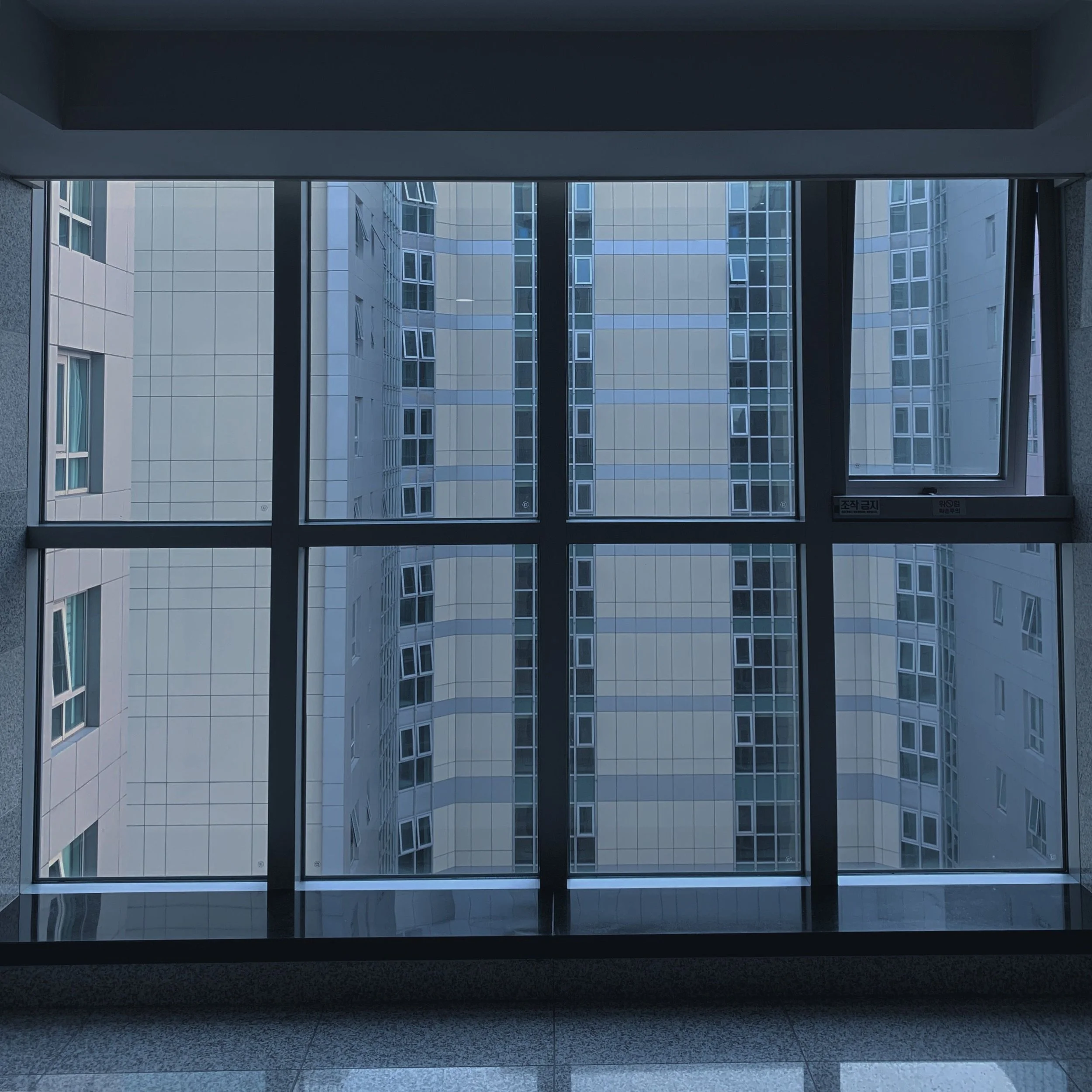
Curtains and blinds block light, but they trap heat between the fabric and the glass and leave you sitting in the dark. Window film works on the glass itself, so you keep your view and your daylight.
Replacement windows can improve efficiency, but they cost thousands and take weeks to install. Solar film delivers much of the heat-reduction benefit at a fraction of the price and goes up in a single visit.
For most Missouri homeowners, film is the fastest, most affordable way to cool a hot room.
What About Blinds and Curtains?
Blinds and curtains block light, but they do not block heat effectively. By the time sunlight hits your curtains, the infrared energy has already passed through the glass and entered your room. Window film stops that heat at the glass surface, which is far more effective.
Plus, you get to keep your natural light. Modern solar films are nearly invisible and do not darken your rooms the way heavy drapes do.
Other Steps That Help Cool Down Your Upstairs
Window film is the most impactful single upgrade, but you can combine it with a few other strategies for even better results.
Make sure your attic has adequate insulation. In older Missouri homes, attic insulation has often settled or degraded, letting roof heat pour into your living space. Adding blown-in insulation is relatively affordable and makes a noticeable difference.
Check your ductwork for leaks. Leaky ducts in the attic can lose 20 to 30 percent of your cooled air before it ever reaches your upstairs vents. Sealing those leaks gets more cooling where you need it.
Ceiling fans help circulate air and create a wind-chill effect that makes rooms feel cooler. They do not lower the actual temperature, but they improve comfort significantly.
Why Window Replacement Is Usually Overkill
Replacing windows is expensive. A full second-floor window replacement in a typical Missouri home can run anywhere from eight thousand to twenty thousand dollars depending on the number and size of windows.
Window film delivers most of the same heat-rejection benefits at a fraction of that cost. You keep your existing frames and glass, and the film adds a layer of solar protection that performs comparably to low-E coated replacement windows.
If your windows are in good structural condition, film is the smarter investment. Save the replacement budget for windows that are actually failing, cracked, or fogged between panes.
Get Your Upstairs Comfortable Again
A house that is hot upstairs and cold downstairs is not something you have to live with. The fix does not require new windows or a bigger AC unit. Solar window film addresses the root cause by stopping heat at the glass before it enters your home.
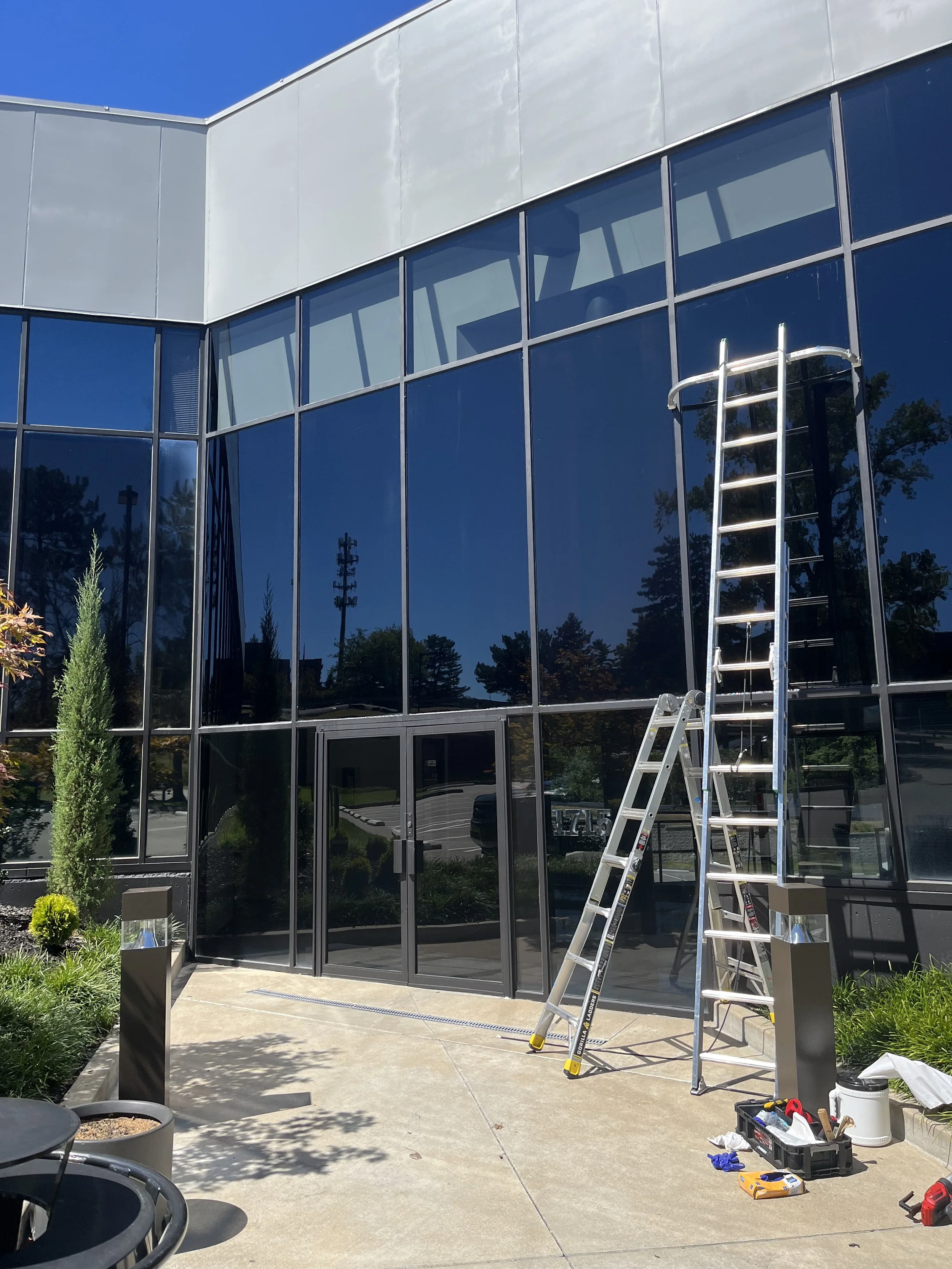
Unique Visions Solar Tinting has helped over 800 properties across Missouri and Illinois solve exactly this problem. With 3M certified installations and a lifetime guarantee, we make the process simple and the results lasting.
Ready to cool down your upstairs? Contact Unique Visions Solar Tinting for a free estimate and see the difference window film can make in your home.