
Best Ways to Keep Your Sunroom Cool in Summer
Figuring out how to cool down a sunroom in summer is a challenge that almost every sunroom owner in Missouri faces. You built or bought a sunroom to enjoy natural light and outdoor views, but by mid-June it turns into a greenhouse that is too hot to use.
The problem is fundamental to sunroom design. All that glass lets in beautiful light, but it also lets in enormous amounts of solar heat. A sunroom can easily reach 15 to 20 degrees hotter than the rest of your home on a sunny afternoon, which makes it uncomfortable and drives up your cooling costs if it is connected to your central AC.
The good news is that you do not have to choose between a bright, open sunroom and a comfortable one. There are practical solutions that reduce heat dramatically while preserving the natural light that makes the space special. Here is what actually works.
Why Sunrooms Get So Unbearably Hot
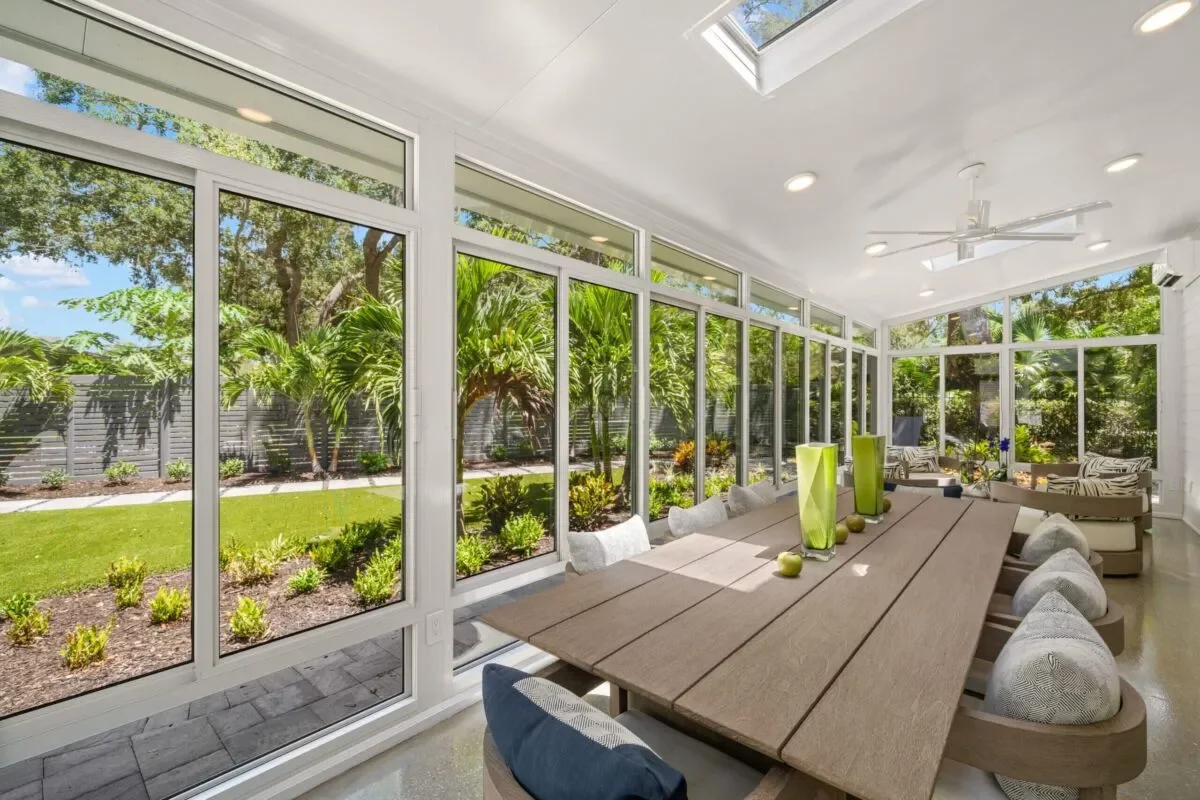
Sunrooms have a higher glass-to-wall ratio than any other room in your home. In many cases, three or even four walls are mostly glass, plus a glass or polycarbonate roof. That creates a massive surface area for solar heat gain.
When sunlight passes through glass, the infrared energy gets trapped inside. The glass allows shortwave radiation in but blocks the longwave radiation from escaping, which is the same greenhouse effect that heats up your car on a sunny day.
In Missouri, where summer temperatures regularly exceed 90 degrees and humidity levels stay high, this effect is extreme. A sunroom without any solar protection can reach 120 degrees or higher on a peak afternoon.
Solar Window Film: The Most Effective Single Solution
If you are going to do one thing to cool your sunroom, make it solar window film. Nothing else delivers the same combination of heat reduction, UV protection, and preserved visibility.
Professional-grade solar film can block up to 78 percent of the sun's heat energy while still allowing natural light to fill the room. Your sunroom stays bright and airy, but the oppressive heat is dramatically reduced.
For sunrooms specifically, films with higher heat rejection are recommended since the glass surface area is so large. A 3M certified installer can help you choose the right film shade and performance level for your specific sunroom design. Visit our Residential Solar Tinting Page to explore your options.
Film for Glass Roofs and Skylights
If your sunroom has a glass or polycarbonate roof, filming the overhead panels is critical. Overhead glass receives the most intense, direct sunlight during midday hours when the sun is at its highest angle.
Specialty films designed for overhead applications handle the additional heat load that horizontal glass experiences. This is where a significant portion of your sunroom's heat gain originates, so addressing it makes a huge difference.
Improve Ventilation and Air Circulation
Even with window film, proper airflow matters. A sunroom with stagnant air feels hotter than the actual temperature suggests because your body cannot cool itself through evaporation as effectively.
Ceiling fans are the simplest addition. They create a wind-chill effect that makes the room feel four to six degrees cooler. If your sunroom does not have a ceiling fan, a quality oscillating fan positioned to move air across the room helps.
Operable windows or vents are important for cross-ventilation. If your sunroom has windows that open, use them during cooler morning and evening hours to flush out trapped hot air and bring in fresh air.
Ductless Mini-Split Systems for Dedicated Cooling
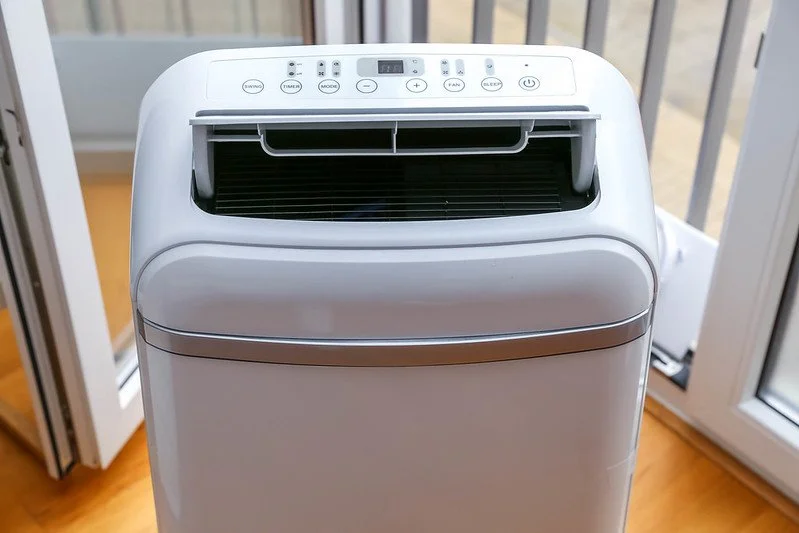
If your sunroom is not connected to your central HVAC system, or if your central system cannot keep up with the sunroom's cooling demands, a ductless mini-split is an excellent option.
These systems provide dedicated heating and cooling to a single room without requiring ductwork. They are energy efficient, quiet, and can be installed without major renovation. A single mini-split unit can comfortably condition most residential sunrooms.
Pairing a mini-split with window film is the ultimate combination. The film reduces the cooling load so dramatically that a smaller, less expensive mini-split unit can handle the job. You save on both the equipment cost and ongoing energy bills.
What About Blinds, Shades, and Exterior Solutions
Interior blinds and cellular shades provide some relief, but they work by blocking light rather than heat. Once you close them, you lose the open, bright feel that makes a sunroom worth having.
Exterior shade solutions like awnings or shade sails can be effective because they stop sunlight before it hits the glass. However, they change the look of your sunroom from the outside and can be impractical depending on your roof design.
Window film is the only solution that reduces heat without sacrificing visibility or changing the exterior appearance of your sunroom. It is practically invisible once installed, and it works all day without any action on your part.
Enjoy Your Sunroom All Summer Long
A hot sunroom does not have to stay that way. Solar window film, proper ventilation, and if needed, a dedicated cooling system can transform your sunroom from an unusable hotbox into the comfortable living space it was meant to be.
Unique Visions Solar Tinting has extensive experience with sunroom installations across Missouri and Illinois. Our 3M certified films and lifetime guarantee mean your investment is protected for years to come.
Ready to start enjoying your sunroom again? Contact Unique Visions Solar Tinting for a free estimate and let us help you find the right solution for your space.