
How to Stop Your Furniture from Fading Near Windows
If you have noticed your furniture fading near windows, you are seeing the result of ultraviolet radiation doing what it does best: breaking things down. That couch that used to be a deep navy is now a washed-out blue on the side facing the window. Your hardwood floors have light patches where the sun hits every afternoon. Your curtains are discolored and brittle.
Furniture fading near windows is not just a cosmetic annoyance. It represents real money. Replacing a faded sofa, refinishing sun-damaged hardwood floors, or buying new rugs adds up to thousands of dollars over time. And in Missouri, where we get plenty of sunny days even outside of summer, the damage happens faster than most people realize.
The good news is that preventing furniture fading near windows is entirely possible without blocking your natural light or living in a dark house. Here is what causes the damage and how to stop it.
What Actually Causes Furniture to Fade
UV radiation is the primary culprit, responsible for roughly 40 percent of fading damage. These are the same rays that cause sunburn, and they break down the chemical bonds in fabric dyes, wood stains, leather, and artwork.
Visible light contributes another 25 percent of fading. Even the daylight that makes your rooms bright and inviting carries enough energy to degrade materials over time.
Solar heat accounts for about 25 percent as well. High temperatures accelerate the chemical reactions that cause color change and material degradation. The remaining 10 percent comes from factors like humidity and the chemical composition of the materials themselves.
This is why items near south-facing and west-facing windows fade the fastest. They receive the most intense combination of UV, light, and heat throughout the day.
Why UV-Blocking Window Film Is the Best Prevention
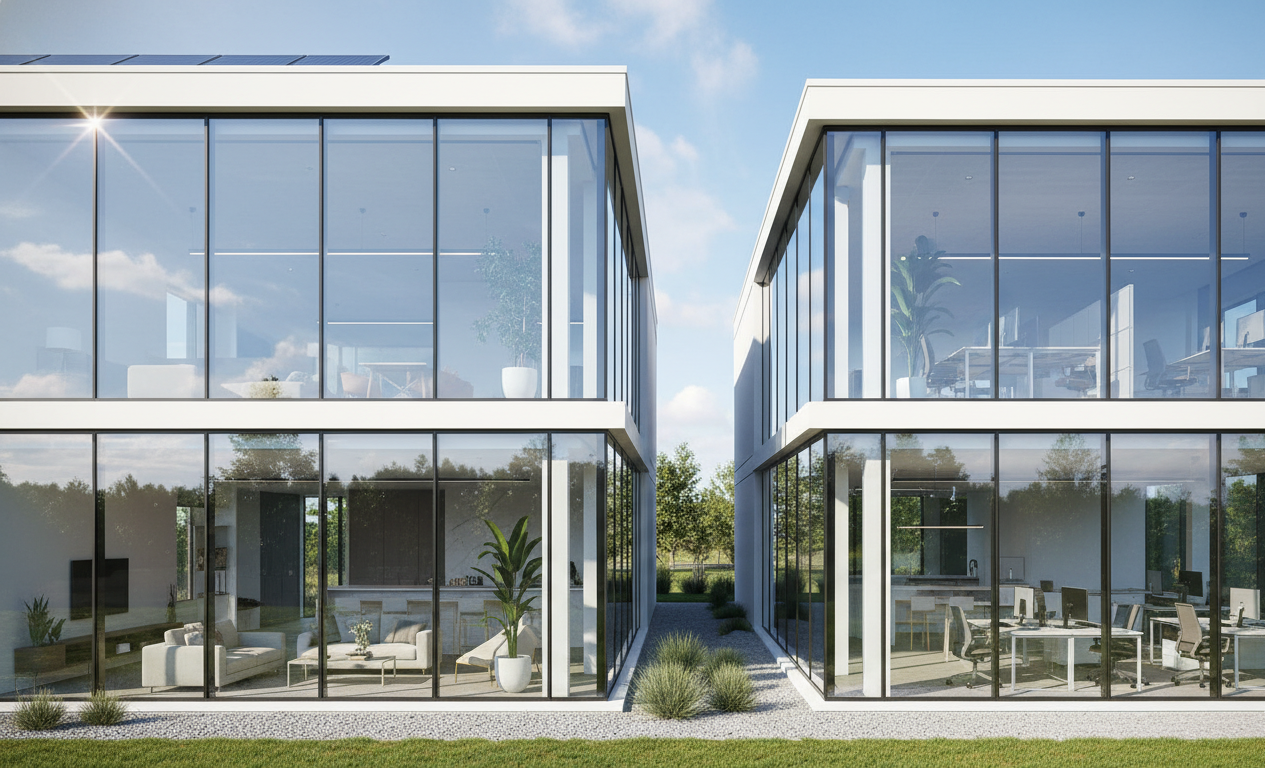
UV protection window film blocks up to 99 percent of ultraviolet radiation. That alone eliminates the single largest cause of fading. But high-quality films also reduce visible light transmission and solar heat gain, which means they address all three major fading factors simultaneously.
Unlike curtains or blinds, window film lets you keep your natural light. You do not have to choose between protecting your furniture and enjoying a bright, open home. Modern films are virtually invisible and do not change the look or feel of your rooms.
For homeowners across Missouri and Illinois who have invested in quality furniture, hardwood floors, or artwork, window film is the most practical long-term protection available. Learn more about our UV protection options on our Residential Solar Tinting Page.
What Window Film Protects
The list of items that benefit from UV-blocking window film is longer than most people expect.
Upholstered furniture in fabric, leather, and microfiber all fade and degrade from UV exposure. Leather is especially vulnerable because UV radiation dries it out and causes cracking in addition to color change.
Hardwood and laminate floors develop uneven coloring where sunlight hits regularly. You have probably seen this in homes where a rug or piece of furniture is moved and reveals a dramatically different shade underneath.
Artwork, photographs, and wall decor fade and lose vibrancy over time. Museums use UV-filtering glass for exactly this reason, and window film provides the same type of protection for your entire room.
Curtains and drapes themselves fade from sun exposure, which is ironic since many people use them to protect other items from fading. Window film protects everything in the room at once, including the window treatments.
How to Prevent Fading in Specific Rooms
Living Rooms and Family Rooms
These rooms typically have the largest windows and the most expensive furniture. Prioritize filming windows that face south and west, as they receive the most damaging light. If your living room has a large picture window, that single pane is likely responsible for more fading damage than all your other windows combined.
Sunrooms and Enclosed Porches
Sunrooms are fading danger zones. The high glass-to-wall ratio means everything inside is constantly exposed to UV and solar heat. If you have wicker furniture, cushions, or plants in your sunroom, window film is essential.
Home Offices
If your desk sits near a window, your monitors, keyboards, and desk surfaces are all slowly fading. More importantly, UV exposure to your skin during long work hours is a health consideration worth addressing.
Improve Ventilation and Air Circulation
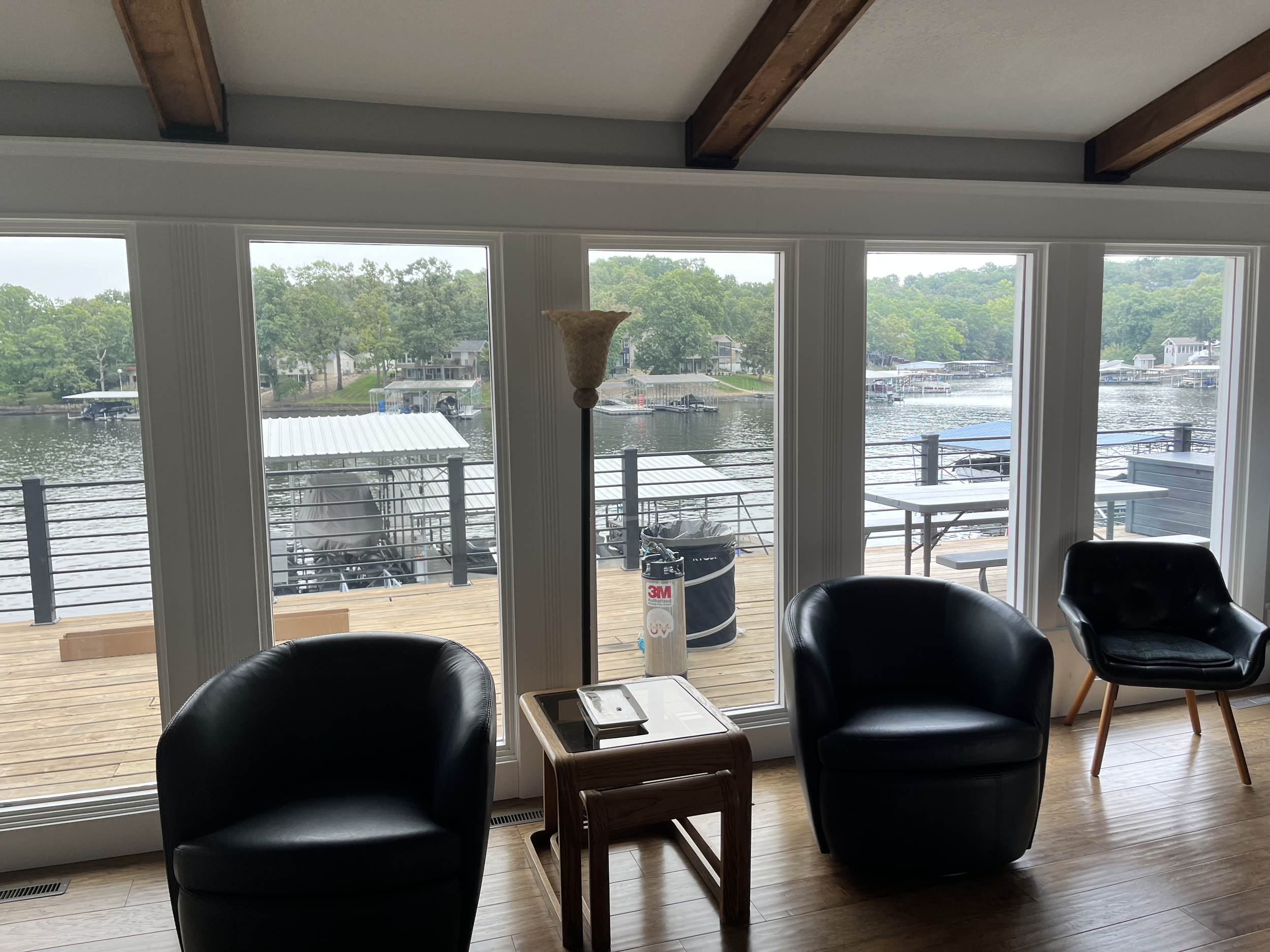
Even with window film, proper airflow matters. A sunroom with stagnant air feels hotter than the actual temperature suggests because your body cannot cool itself through evaporation as effectively.
Ceiling fans are the simplest addition. They create a wind-chill effect that makes the room feel four to six degrees cooler. If your sunroom does not have a ceiling fan, a quality oscillating fan positioned to move air across the room helps.
Operable windows or vents are important for cross-ventilation. If your sunroom has windows that open, use them during cooler morning and evening hours to flush out trapped hot air and bring in fresh air.
Ductless Mini-Split Systems for Dedicated Cooling
If your sunroom is not connected to your central HVAC system, or if your central system cannot keep up with the sunroom's cooling demands, a ductless mini-split is an excellent option.
These systems provide dedicated heating and cooling to a single room without requiring ductwork. They are energy efficient, quiet, and can be installed without major renovation. A single mini-split unit can comfortably condition most residential sunrooms.
Pairing a mini-split with window film is the ultimate combination. The film reduces the cooling load so dramatically that a smaller, less expensive mini-split unit can handle the job. You save on both the equipment cost and ongoing energy bills.
What About Blinds, Shades, and Exterior Solutions
Interior blinds and cellular shades provide some relief, but they work by blocking light rather than heat. Once you close them, you lose the open, bright feel that makes a sunroom worth having.
Exterior shade solutions like awnings or shade sails can be effective because they stop sunlight before it hits the glass. However, they change the look of your sunroom from the outside and can be impractical depending on your roof design.
Window film is the only solution that reduces heat without sacrificing visibility or changing the exterior appearance of your sunroom. It is practically invisible once installed, and it works all day without any action on your part.
Enjoy Your Sunroom All Summer Long
A hot sunroom does not have to stay that way. Solar window film, proper ventilation, and if needed, a dedicated cooling system can transform your sunroom from an unusable hotbox into the comfortable living space it was meant to be.
Unique Visions Solar Tinting has extensive experience with sunroom installations across Missouri and Illinois. Our 3M certified films and lifetime guarantee mean your investment is protected for years to come.
Ready to start enjoying your sunroom again? Contact Unique Visions Solar Tinting for a free estimate and let us help you find the right solution for your space.