
Day and Night Privacy Window Film: What Actually Works After Dark
There is a moment most homeowners recognize. It is eight in the evening, the lamps are on, and from the sidewalk your living room looks like a lit stage. During the day those same windows gave you complete privacy. That flip is the single most common complaint about standard privacy film, and it is why day and night privacy window film exists.
The short version is this. Most reflective privacy film is one directional and light dependent. It gives privacy from whichever side is brighter. In daylight that is the outside, so you are covered. After sunset the bright side moves indoors, and the effect reverses.
Around St. Louis this comes up constantly in front rooms facing the street, in bedrooms on tight lots, and in bathrooms where a frosted pane was never quite enough. Neighborhoods here were built close together, and modern homes often came with far more glass than the original plans ever imagined.
This article explains what changes after dark, which products genuinely handle both conditions, and how to choose without ending up in a dark cave of a room.
Why one way window film stops working at night
One way window film works on a light imbalance. Its reflective surface bounces light back toward the brighter side, so an observer standing in the light sees a mirror instead of your interior.
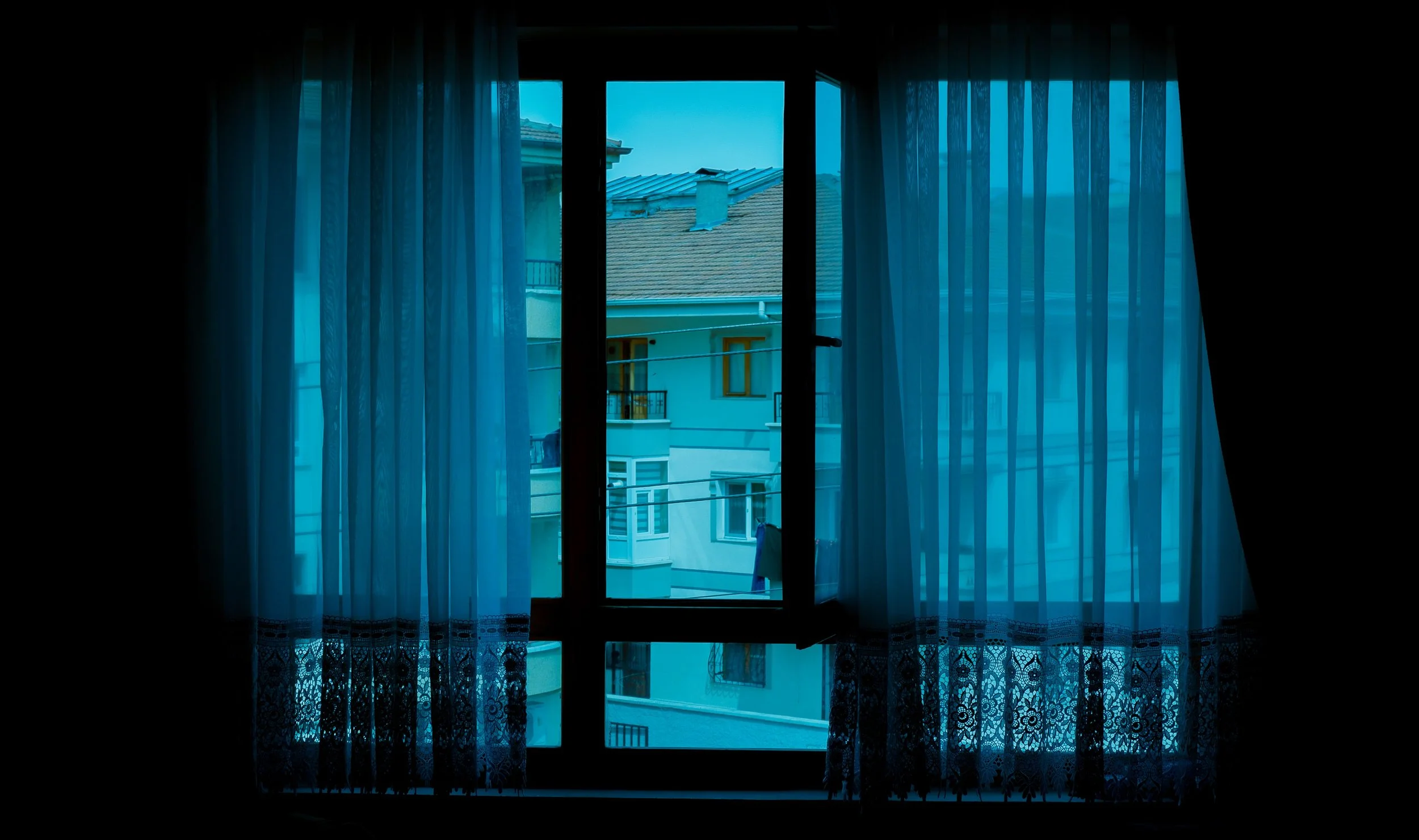
During the day the sun is far brighter than anything inside your house, so the mirror faces outward. At night your lamps and screens become the brightest source, the imbalance flips, and the mirror effect now faces inward. From outside, the glass reads as clear.
Nothing has failed. The film is doing exactly what it was designed to do. It was simply never designed for the second half of the day.
What day and night privacy window film actually is
Day and night privacy window film is a category of product that blocks the view in both lighting conditions rather than relying on a light imbalance.
It generally works in one of two ways. Some films diffuse light rather than reflect it, scattering the image so shapes blur regardless of which side is brighter. Frosted and etched style products fall into this group. Others combine a reflective exterior layer with a darker or opaque interior layer, so the glass does not become a window into your living room once the lights come on.
The trade off is different for each. Diffusing film keeps light coming through but removes the view in both directions. Layered film can preserve more of your outward view during the day while giving up some visible light overall.
There is no single product that gives a crystal clear view out, complete privacy in, and full brightness at all hours. Anyone promising all three is selling something that does not exist.
Choosing between frosted, decorative and dual reflective options
The right choice comes down to what the room is for.
Rooms where privacy outranks the view
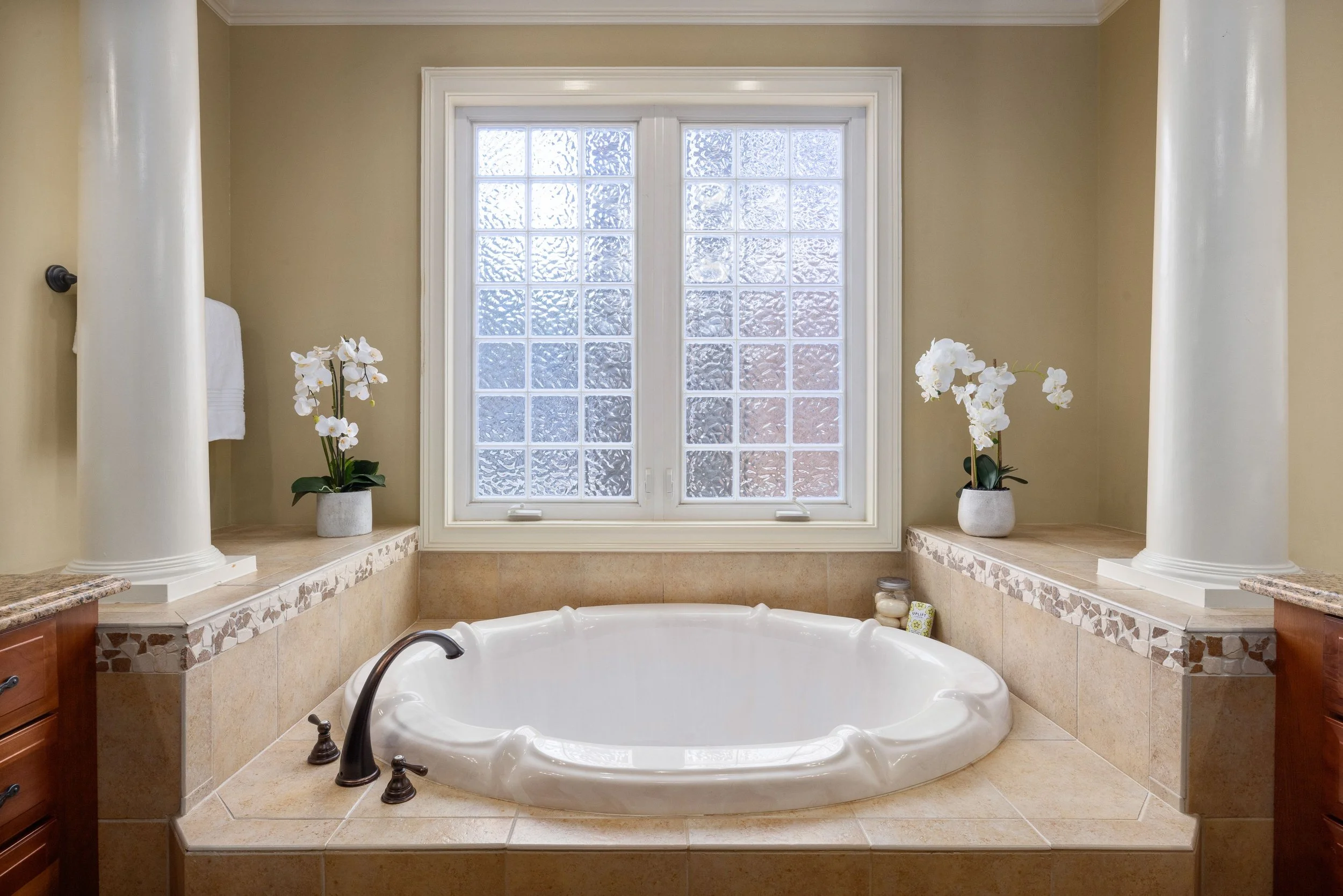
Bathrooms, ensuites, ground floor bedrooms, home offices with a screen visible from the street and glass front doors are all straightforward. Frosted or decorative privacy window film gives you constant obscurity while keeping the room bright, and it works the same at midnight as it does at noon.
Rooms where you want to keep looking out
Living rooms, dining rooms and anything facing a yard you actually enjoy are harder. Here the usual approach is a dual reflective film for daytime privacy and heat control, paired with a treatment you can close in the evening. Some homeowners accept clear glass at night in exchange for a great view during the day. Others want the glass handled on its own, which points back toward a diffusing product.
Street facing glass on a narrow lot
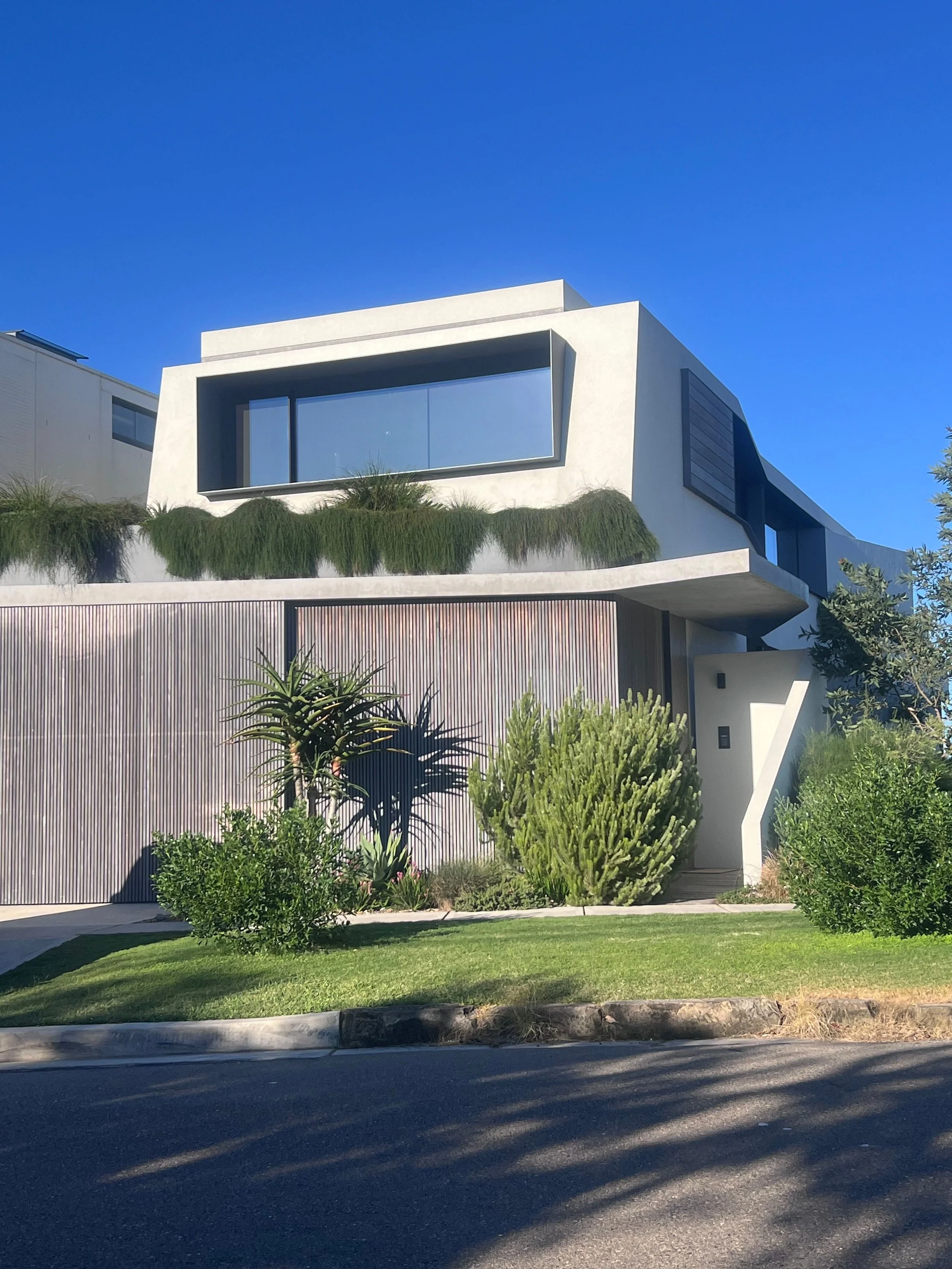
When a window looks straight at a neighbor or a sidewalk ten feet away, the view is not worth protecting. These are the easiest rooms to solve and usually the ones bothering you most.
Where St. Louis homeowners need it most
Older neighborhoods in the St. Louis area put houses close to the street and close to each other. A front room with three tall windows can feel exposed from the moment the sun goes down, and blinds on every one of them are both expensive and a permanent chore.
Ground floor rooms in townhomes and villas run into the same thing. So do sunrooms and enclosed porches, where the glass that made the room appealing also makes it the most visible part of the house.
Film solves this without changing the exterior look of the home, which matters in historic districts and in subdivisions with appearance rules. It is a one time install rather than something to open and close every evening.
What to expect from a professional installation
A proper visit starts with walking the rooms at the time of day that bothers you, because the problem window is rarely the one people expect.
From there you should get samples held against your actual glass, an honest description of what each option does after dark, and a clear note on how much light the room will keep. Installation on a typical home takes a single day, and film should reach full clarity within a few weeks as the mounting adhesive cures.
If the privacy concern extends to a home office, retail frontage or a clinic, the same principles apply at a larger scale and are covered on our Commercial Window Tinting Page.
Choosing with confidence
The key thing to remember is that privacy depends on light direction, not on how dark the film looks. Any product sold purely on its mirror finish will leave you exposed at night, and that is usually the hour you cared about.
Unique Visions Solar Tinting has fitted privacy film in more than 800 properties across Missouri and will show you the real behavior of each option before you commit, including what it looks like with the lamps on. You can see our full residential range on the Residential Solar Tinting Page.
Book a free estimate and we will assess each room, recommend the right product for its purpose, and give you privacy that holds up after sunset.