
Will Window Film to Reduce Heat Make My Room Too Dark?
It is the question that stops most people from booking. They want window film to reduce heat in a room that becomes unusable by three in the afternoon, but they picture the dark limousine look and decide to live with the heat instead.
The direct answer is that heat rejection and darkness are two different things. Modern film can remove a large share of solar heat while leaving a room that still reads as bright and natural. The older assumption comes from a generation of product where darker genuinely did mean cooler.
That is no longer how it works. Today the heat is handled by what the film is made of, not by how much light it blocks, which is why a nearly clear film can outperform a dark one from twenty years ago.
Here is how to think about light before you choose, and how St. Louis homeowners usually end up balancing the two.
Why window film to reduce heat does not mean less light
Two numbers describe every film. One is visible light transmission, which is the percentage of visible light that passes through. The other describes how much total solar energy the film rejects.
A film at 70 percent visible light transmission lets through most of the light your eye registers and looks close to clear on the glass. A film at 20 percent is noticeably dark. Both can reject a serious amount of heat, because heat arrives largely as infrared energy that your eye never sees in the first place.
This is the whole reason a light window tint for home windows is now a realistic option. You are asking the film to filter a part of the spectrum you were never looking at.
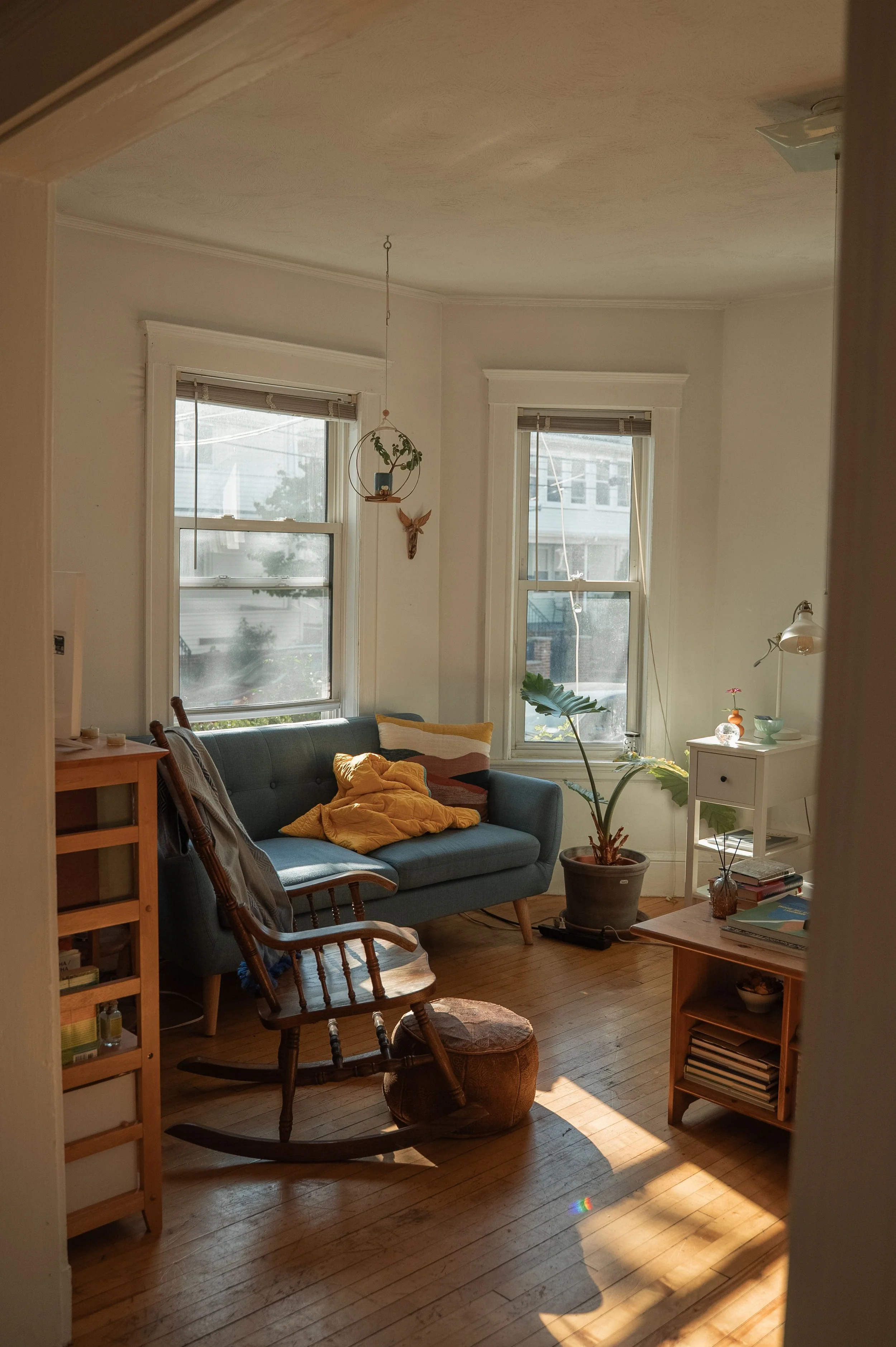
What each light level actually looks like in a room
Numbers on a spec sheet mean very little until you see them on glass.
Barely noticeable
At the lighter end, most visitors will not know the windows were treated. The view stays clear, colors stay true, and plants on the sill carry on as normal. Heat reduction is real but moderate, which suits rooms with a decent view and mild exposure.
Noticeably calmer
In the middle range there is a slight tint to the glass and a clear drop in glare. Screens become readable in the afternoon, and the room feels less like it is being lit by a floodlight. This is where most residential jobs in the area land.
Clearly tinted
At the darker end the change is obvious from inside and out. It suits west facing walls of glass, sunrooms that were never usable, and homeowners who also want daytime privacy. It is a choice, not a requirement.
Rooms where natural light matters most
Kitchens and breakfast rooms are usually the ones people protect. So are nurseries and any room with houseplants, where light is doing a job beyond looking nice.
For those spaces a natural light window film in the lighter range is the sensible starting point. You keep the brightness that made the room pleasant and remove the harsh part of the afternoon.
Home offices are the opposite case. Glare on a monitor is the actual complaint, and a slightly darker film often makes the room more usable rather than less. The same logic applies to media rooms and to any wall of glass facing the setting sun.
There is no rule that says every window in the house gets the same product. Mixing film levels by room is common and it is the reason a walkthrough matters more than a phone quote.
Why St. Louis homes feel this so strongly
Summer in the St. Louis area combines long hours of direct sun with high humidity, so a room that gains heat through the glass has a hard time shedding it. West facing rooms take the worst of it, heating through the afternoon and staying warm well into the evening.
Meanwhile the winters here are grey enough that giving up daylight has a real cost. Homeowners in Missouri are not choosing between bright and dark in the abstract. They are trying to keep January liveable while making July bearable.
That is exactly the balance a properly specified heat rejecting film is meant to strike, and it is why the lighter end of the range has become the popular choice locally rather than the compromise it once was.
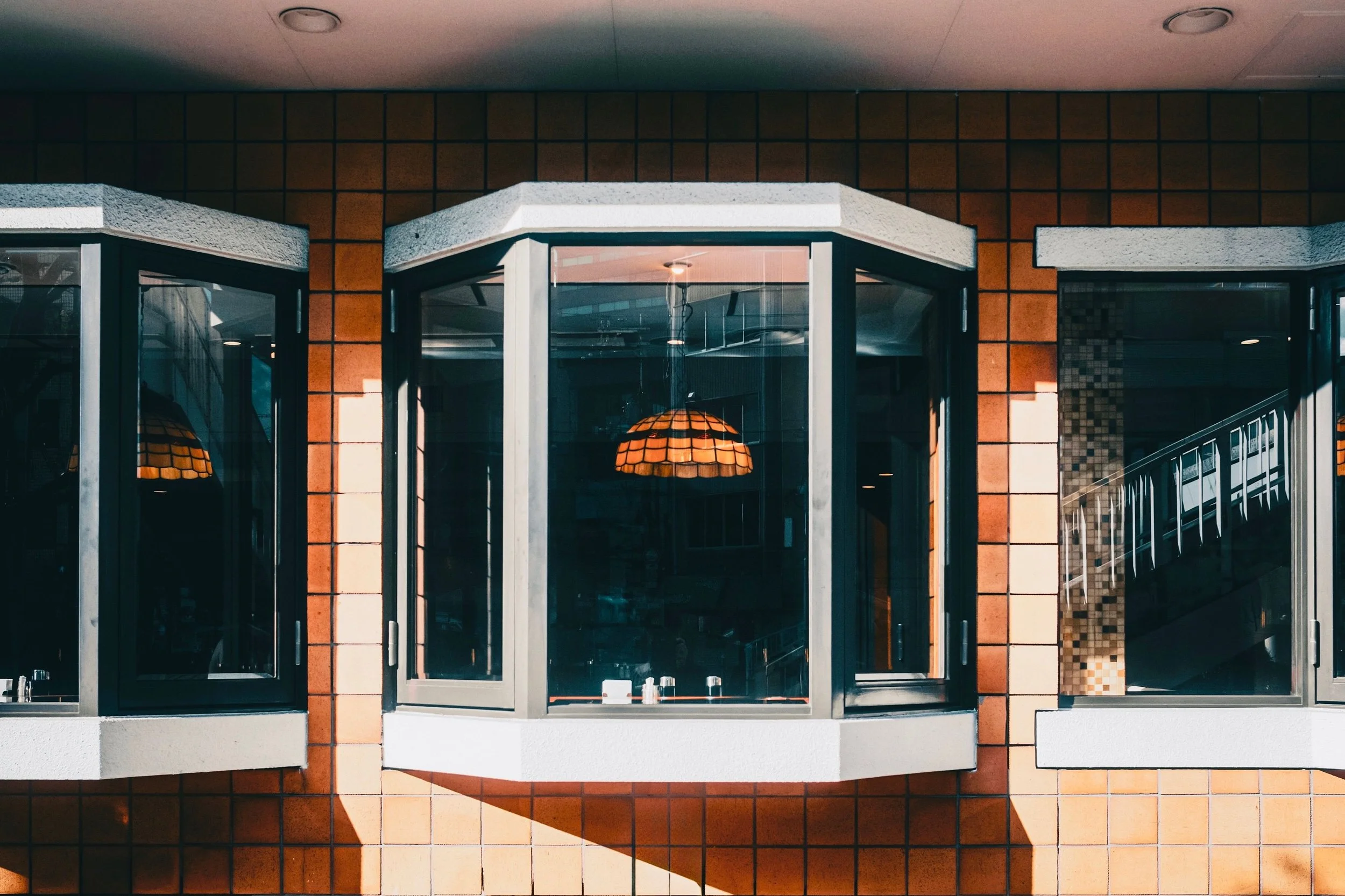
How to test before you commit
Never choose from a brochure. Ask the installer to hold samples against your own glass, in the room that concerns you, at the hour it bothers you.
A west facing living room at four in the afternoon tells you more in two minutes than any chart. Look at how the view holds up, whether colors shift, and how the room feels with the sample in place and then removed.
It is also worth asking to see the same film on a completed job nearby. Details on the products we carry and the light levels available are on our Residential Solar Tinting Page, and if you have questions about appearance or which film is right for your home, visit our Contact Us Page to get in touch with our team.
Comfort without losing the daylight
Cooler does not have to mean darker. With current products you can cut the heat and glare that make a room unusable while keeping it bright enough that nobody notices a change except in how it feels.
Unique Visions Solar Tinting has worked on more than 800 properties across Missouri and will match the light level to each room rather than applying one product to the whole house.
Schedule a free estimate and we will bring samples to your windows so you can see the result before you decide.