
How Storefronts Can Cut Cooling Costs Without Blocking Their Display Windows
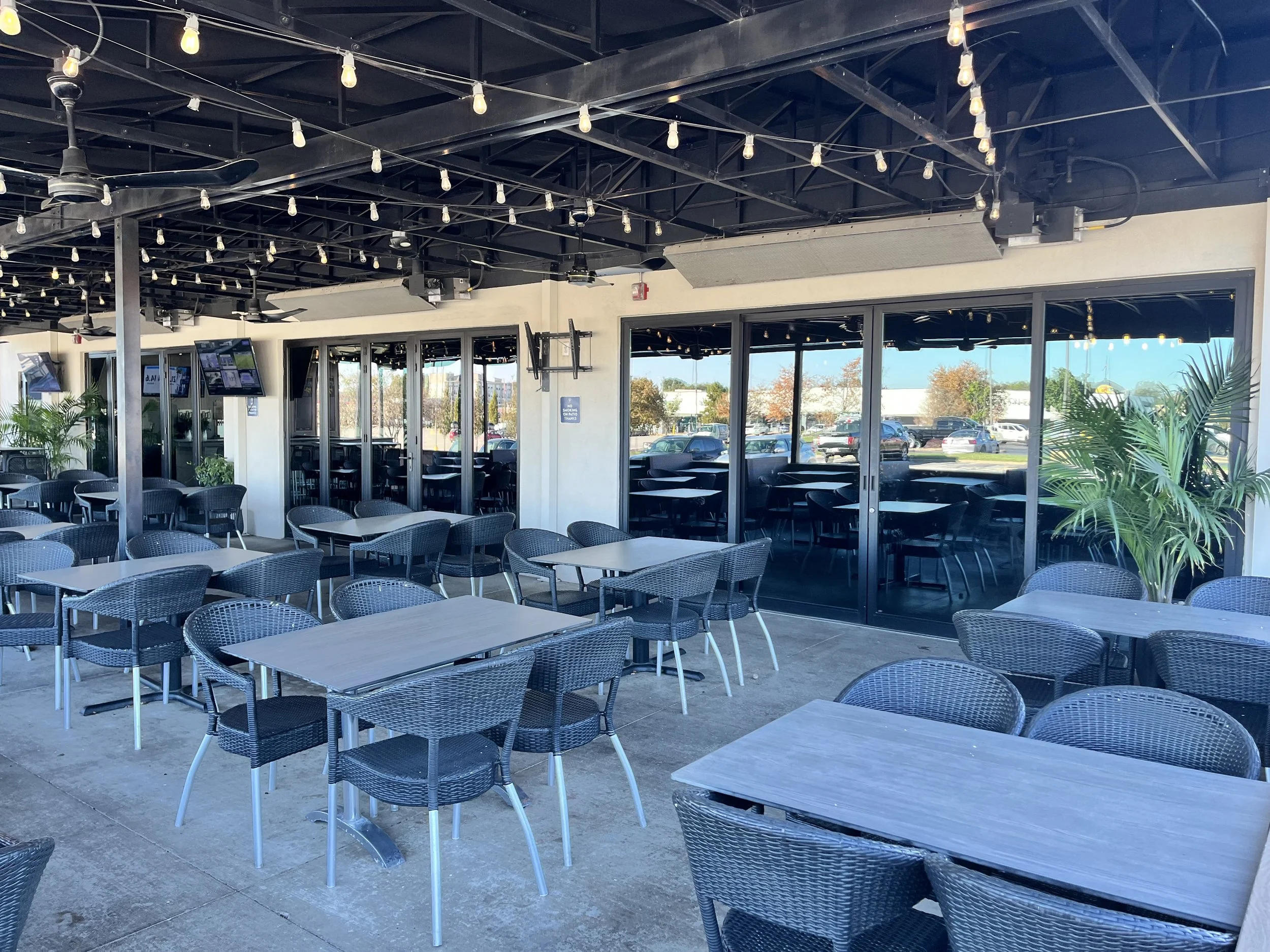
Every retailer with a wall of glass eventually runs the same math. The display window is the best marketing you own, and it is also the reason the front of the store is ten degrees warmer than the back by two in the afternoon. Covering it with shades or vinyl kills the heat problem and the storefront at the same time.
You do not have to choose. Solar control window film cuts storefront cooling costs by rejecting heat at the glass while staying visually clear, so the display stays a display and the air conditioner stops fighting the sun.
Kansas City makes this a real line item. Summer afternoons regularly push into the 90s with humidity on top, and a west-facing frontage along a commercial strip takes that load directly for the busiest hours of the retail day. Here is what is actually happening at that glass, and what changes when you treat it.
Why your display window drives the cooling bill
Clear commercial glass is very good at letting solar energy through and not good at keeping it out. That energy lands on your floor, your fixtures, and your merchandise, then radiates back into the room as heat the air conditioner has to remove.
The load is not spread evenly through the day either. A west-facing storefront takes its worst hit in the late afternoon, which for most retail and restaurant operations is exactly when the building is fullest and the equipment is already working hardest.
That is why the front of a shop feels like a different building from the stockroom. The thermostat is usually mounted somewhere in the middle, so the system runs long cycles trying to satisfy a sensor that never sees the worst of the heat.
How solar film cuts storefront cooling costs without dimming the glass
Solar control film works at the glass line, which is the only place the heat can be stopped before it becomes an indoor problem. The film reflects and absorbs a large portion of the solar energy and lets the rest through.
The part retailers care about is visible light transmission, usually shortened to VLT. It measures how much visible light passes through the treated glass. Heat rejection and VLT are separate properties, so a film can reject a great deal of solar energy while still transmitting most of the visible light.
Spectrally selective films are built around exactly that split. They target the infrared range that carries heat and the ultraviolet range that causes fading, while leaving the visible spectrum largely alone. From the sidewalk, the glass looks like glass.
What changes inside the store
Merchandise stops fading
Sun damage in retail is a slow, expensive leak. Packaging yellows, fabrics fade on the display side, and printed signage loses color, so the items nearest the window are the ones you end up marking down.
Window film blocks up to 99 percent of ultraviolet light, which removes the single biggest driver of that fading. Heat and visible light contribute too, and a solar film reduces both.
Staff and customers stop avoiding the front
A register or host stand near untreated glass is a rough place to work an eight-hour shift. Cutting the radiant heat at the window makes the front of the store usable again, which matters more than the number on the utility bill for most owners.
Glare is the other half of it. Afternoon sun across a point-of-sale screen or a menu board is a daily irritation for staff and a legibility problem for customers, and film addresses it at the source.
HVAC stops overworking one zone
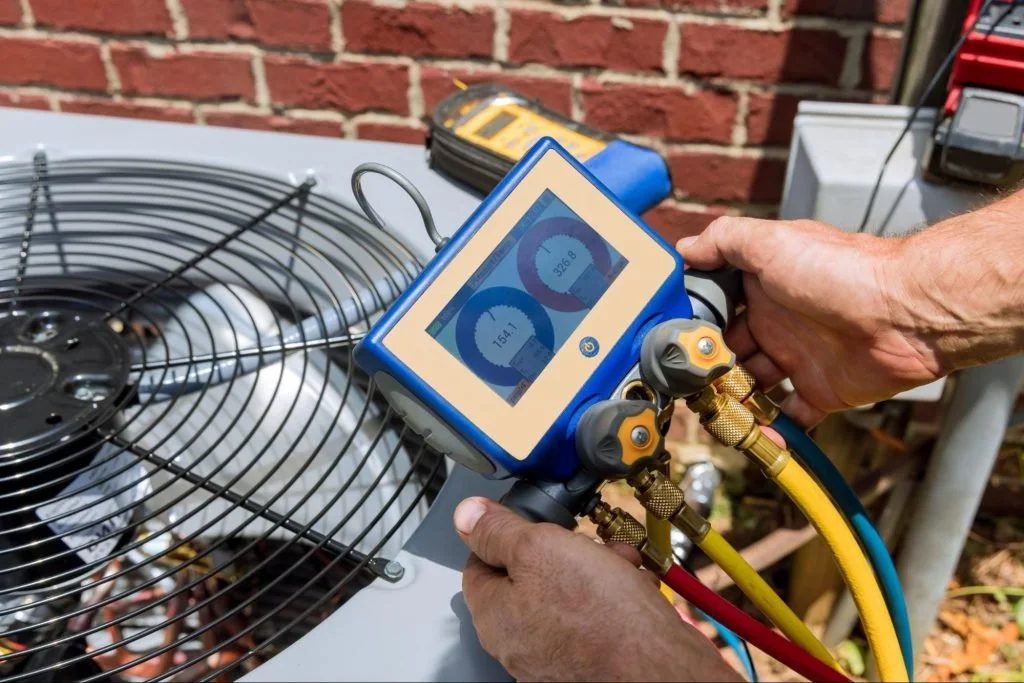
When the solar load at the frontage drops, the system stops chasing a hot zone it can never fully satisfy. That shows up as shorter run times, more even temperatures front to back, and less strain on equipment during peak weeks.
For businesses on commercial rate structures where peak demand affects the bill, shaving the afternoon load is worth more than the raw energy savings suggest.
Lease, warranty, and landlord questions worth asking first
If you lease your space, check whether exterior appearance changes need landlord approval. Most are approved quickly because film is reversible and improves the building, but it is easier to ask before the install than after.
Glass warranty is the other item. Some manufacturers restrict which films can go on certain insulated or tinted glass units, and a professional installer will match the film to your glass type rather than putting the same product on every pane.
Multi-tenant buildings sometimes have a uniform appearance requirement across the frontage as well. That is usually satisfied by choosing a film with a neutral, low-reflectance finish, which is what most retailers want anyway.
Installation without closing the store
A typical storefront is a one-day job, and most of it happens after hours or before opening. The work is clean: glass gets scraped and washed, the film is cut and applied wet, then squeegeed and left to cure.
You can use the space immediately. Curing continues for a few days to a few weeks depending on the film and the weather, during which slight haze or small water pockets may still be visible, and those clear on their own.
For restaurants and shops in Kansas City and nearby Independence, scheduling around opening hours is routine. Details on scope and coverage are on our Commercial Window Tinting Page.
Keep the display, lose the heat
The trade-off between visibility and comfort is a false one. Solar control film cuts storefront cooling costs, kills glare, and protects merchandise while leaving your Kansas City display window as clear and as sellable as it was the day you moved in.
Unique Visions Solar Tinting brings 3M certified installation, more than a decade of commercial and residential experience, and a lifetime guarantee on the work. We will walk your frontage, check your glass type, and recommend a film that matches the look you want.
Request a free estimate for your storefront, or see the commercial work we do in Kansas City, Missouri.