In the window film vs blinds vs curtains comparison, window film blocks the most solar heat, and the reason is location rather than material. Film stops the energy at the glass. Blinds and curtains stop it after it is already inside the room.
That distinction sounds academic until you stand in a Springfield living room at four in the afternoon in July. The blackout curtains are drawn, the room is dark, and it is still noticeably warmer than the hallway. Nothing is wrong with the curtains. They are simply working in the wrong place.
This article breaks down what each option actually does with solar heat, where each one wins, and how to spend your money in the right order. There is no single answer for every window, and anyone who tells you otherwise is selling one product.
The rule that decides the whole comparison
Sunlight arriving at your window carries energy. Once that energy passes through the glass and hits something in the room, it converts to heat, and heat inside a room does not go back out through the glass on its own.
Interior treatments sit behind the glass. A closed blind absorbs the sunlight, warms up, and then radiates that warmth into the room. The light is stopped, but the energy is already inside the building envelope.
Window film sits on the glass. It reflects and absorbs solar energy at the boundary, and much of the absorbed heat is carried away on the outside surface. That is why two treatments can both make a room look shaded while only one makes it feel cooler.
How blinds actually perform against heat
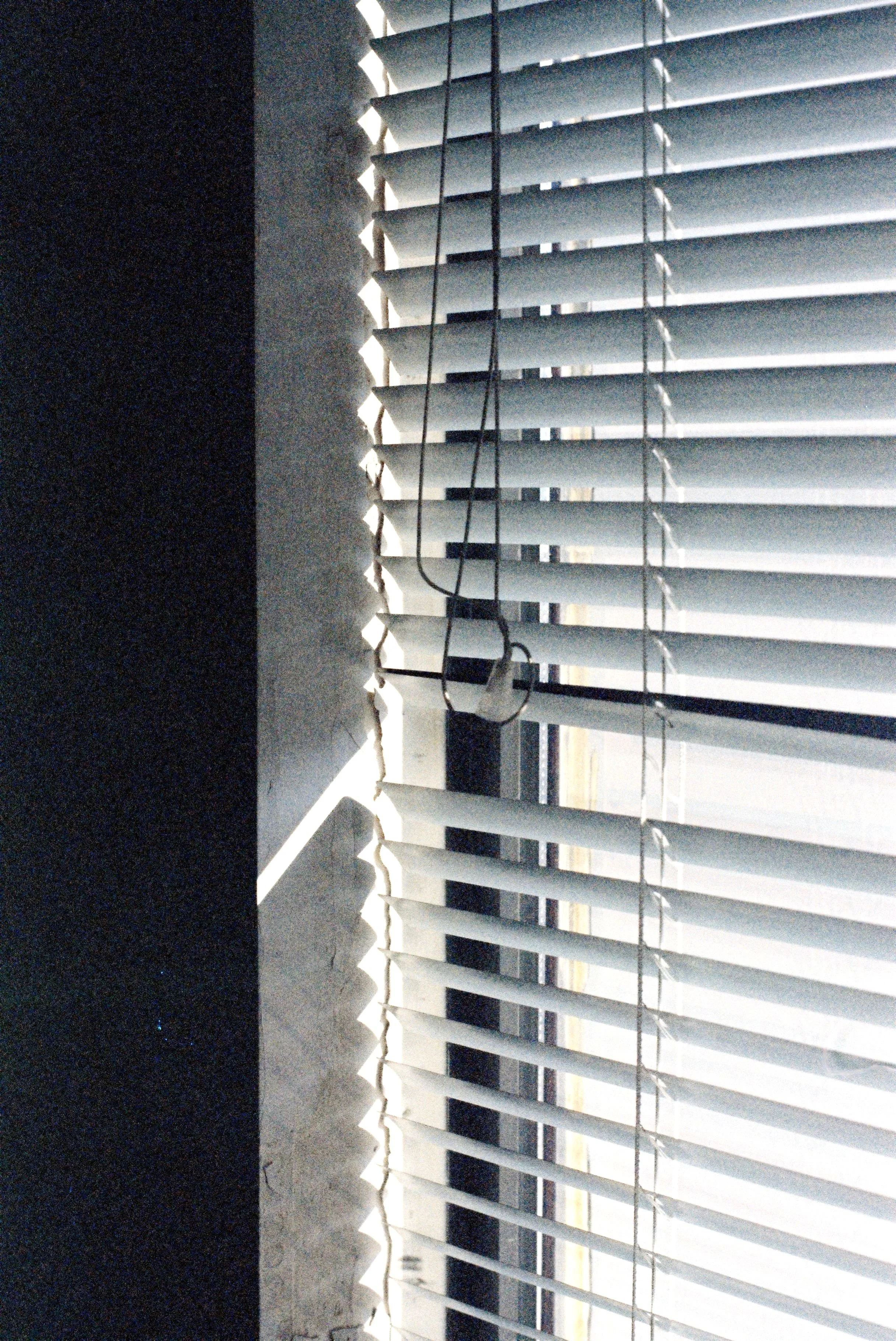
Blinds are better than nothing and better than most people assume. Light-colored aluminum or vinyl slats reflect a fair amount of sunlight back toward the window, and angling them upward bounces light onto the ceiling rather than onto your floor.
Their real strength is control. You can adjust them by the hour, dial in privacy and light separately, and open them completely when the sun moves off that elevation.
Their weakness is the same as every interior treatment: the energy is already through the glass. Dark blinds are worse still, because they absorb the sunlight and become a warm panel radiating into the room. Blinds manage light well and heat only partially.
How curtains actually perform against heat
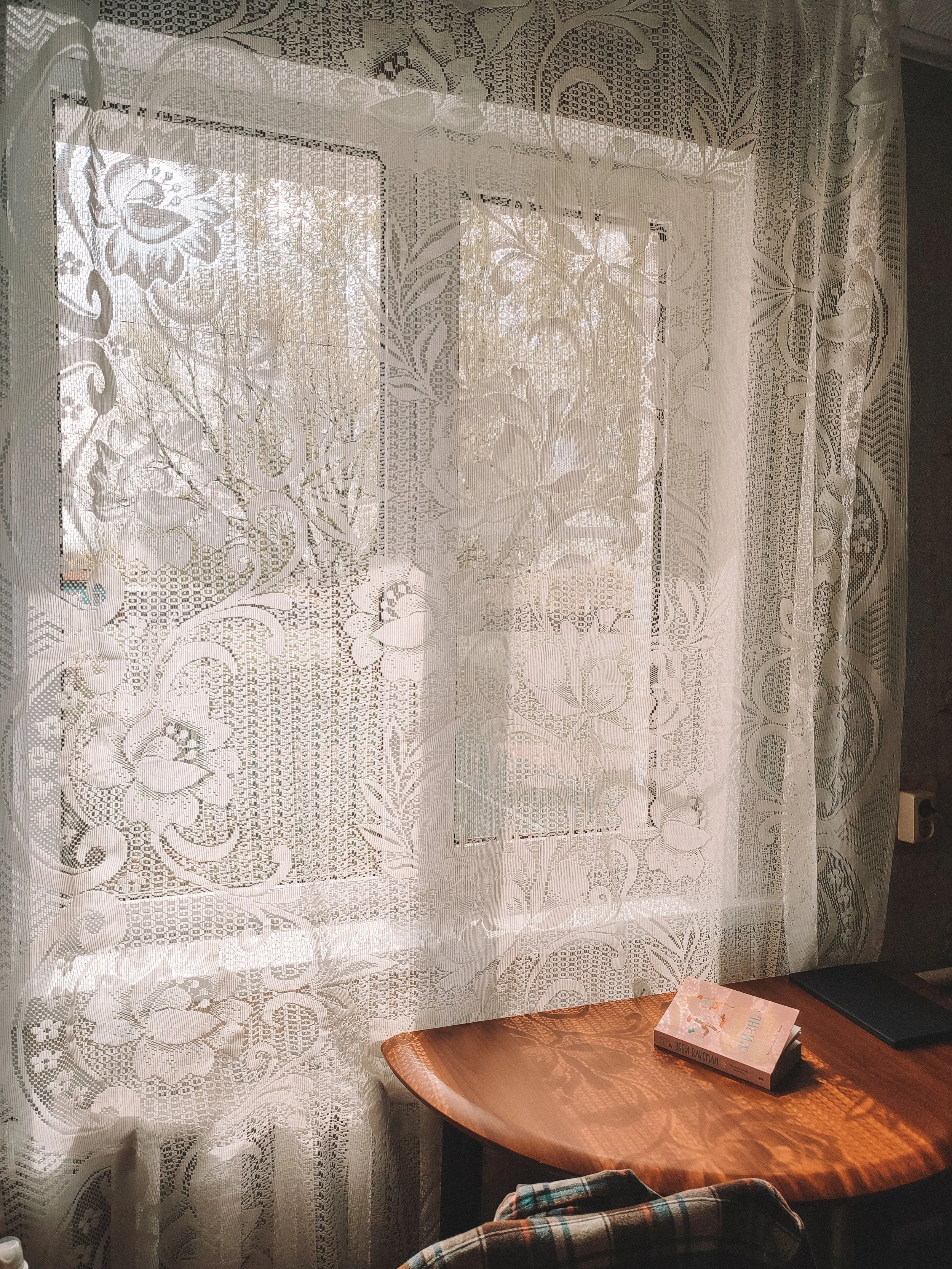
Thermal-lined and blackout curtains outperform standard drapes, and a curtain that seals close to the wall at the sides and top does meaningfully better than one hanging loose on a rod. Trapping a pocket of air between the fabric and the glass is what makes the difference.
Curtains are also the strongest option for winter. That same air pocket slows heat loss through the glass on a January night in Springfield, which is a genuine advantage film does not fully match.
The cost is your daylight and your view. To get the heat benefit, the curtain has to stay closed during the brightest hours, so you are buying comfort by turning a window into a wall for most of the day.
How window film actually performs against heat
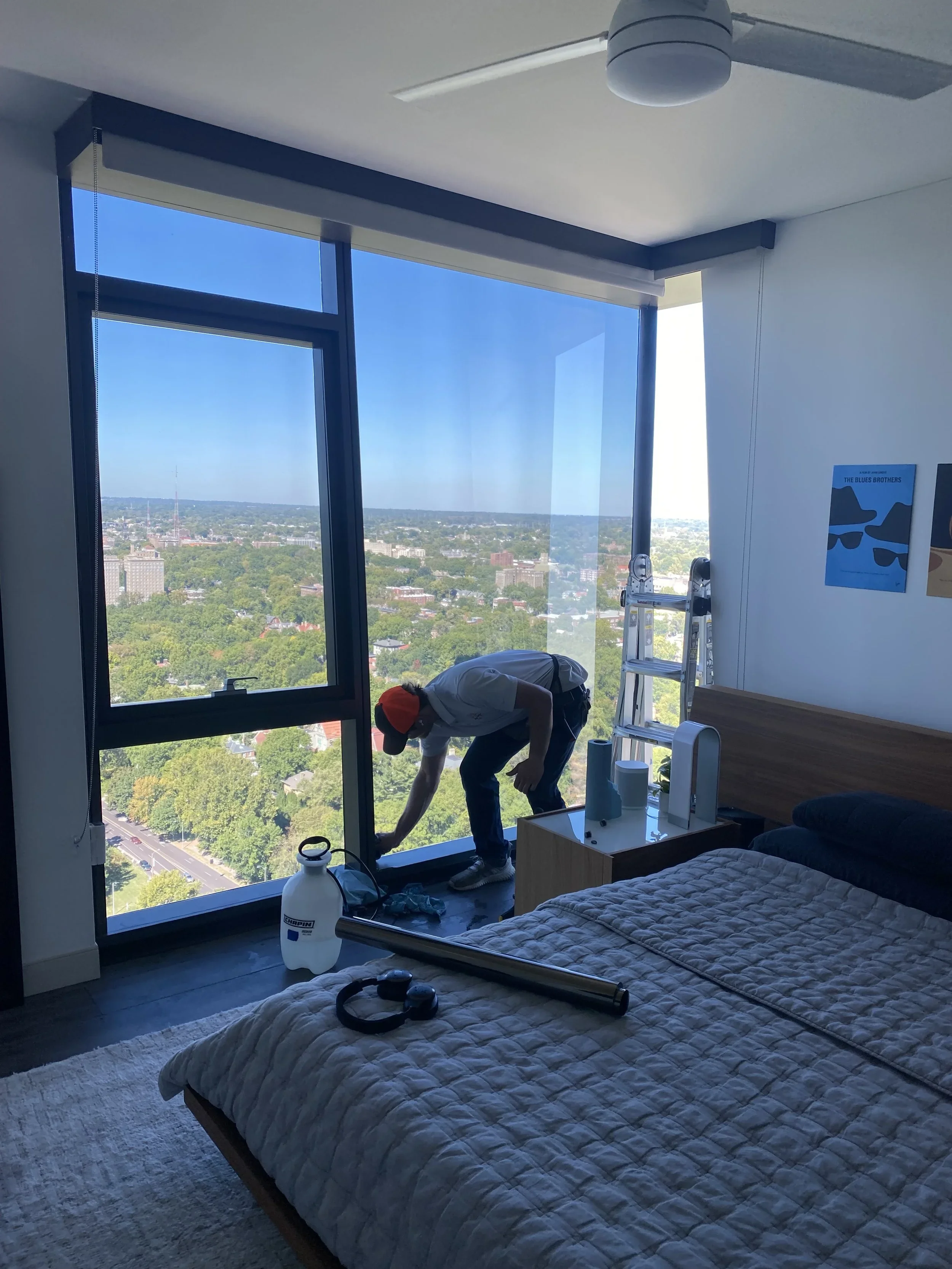
Solar control film rejects a substantial share of the sun's energy at the glass, works every hour of every day without anyone adjusting it, and does it while remaining transparent enough to keep the view and the daylight.
That last point is what usually decides it. Film is the only one of the three that reduces heat without also reducing what you can see. A room treated with a good solar film still looks like a room with big windows.
Film also handles glare and ultraviolet light in the same pass. Quality films block up to 99 percent of UV, which is what protects hardwood floors, rugs, and furniture from fading, and it is a benefit blinds and curtains only provide when they are closed.
The trade-offs are honest ones. Film is permanent for the life of the installation, it is not adjustable hour to hour, and it does not add privacy at night unless you choose a film designed for it. That is why film often gets paired with a light treatment rather than replacing one.
Why this matters more in Springfield than in a milder climate
Southwest Missouri gets long, humid summers with sustained stretches in the 90s, and the sun angle in July puts direct load on west and south-facing glass for hours at a time. Homes around Springfield and Joplin with large rear windows or a sunroom feel that as one room that never matches the thermostat.
Air conditioning has to remove every bit of that heat, and it does so most expensively during the same late-afternoon hours when the load peaks.
Cutting the gain at the glass changes the shape of that curve. The system runs shorter cycles, the hot room stops being a hot room, and you stop overcooling the rest of the house trying to fix one zone.
What to use where
For a west-facing living room, family room, or sunroom that overheats every afternoon, start with heat reduction window film. That is the direct fix for the actual problem.
For bedrooms, add blackout curtains or blinds on top of the film. Film handles the daytime heat and fading; the curtain handles darkness and nighttime privacy, and the two do not compete.
For rooms where you constantly adjust the light, such as a home office with screen glare, blinds paired with a glare-reducing film give you both the baseline and the fine control.
For rented spaces or short-term situations, blinds and curtains make more sense, since they move with you and film does not.
The honest verdict
Window film blocks the most heat because it is the only one of the three that intercepts solar energy before it enters the room. Curtains take second place for raw heat reduction and first place for winter insulation and darkness. Blinds are the most flexible and the weakest at heat.
The best-performing homes usually run film on the problem windows and a simple treatment on top for privacy and light control, which costs less than replacing windows and solves more than any single option alone.
Unique Visions Solar Tinting has completed 3M certified installations on more than 800 properties across Missouri, all backed by a lifetime guarantee. If you want to know what a specific window is doing to your comfort and your cooling bill, book a free estimate through our Residential Solar Tinting Page or see our work in Springfield, Missouri.