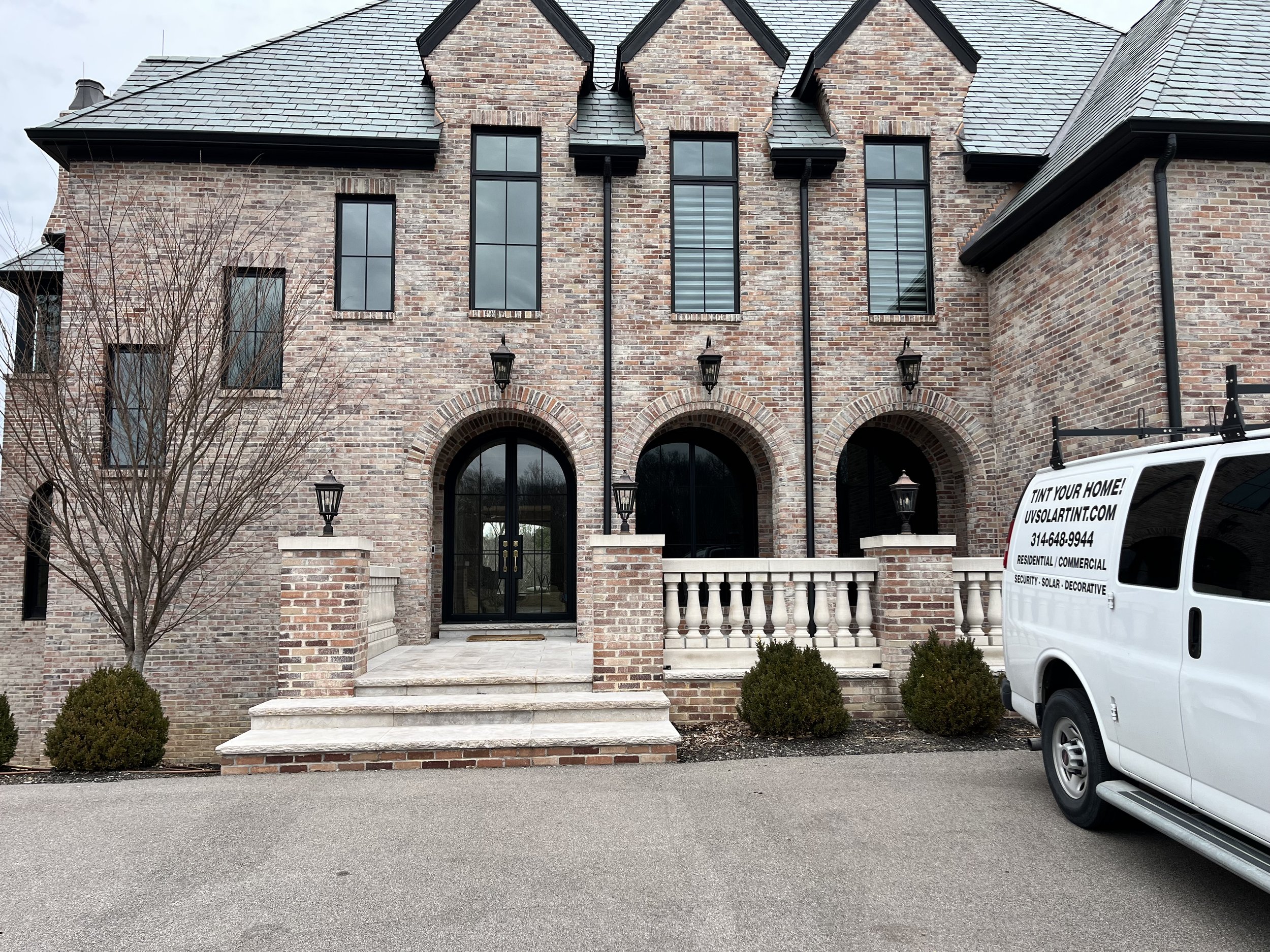
The Best Home Improvements That Pay for Themselves in Missouri
Most home improvement advice ignores climate, and in Missouri that is the part that decides everything. Homes here take humid summers in the 90s and winters that drop below freezing, so the upgrades that pay for themselves are almost always the ones that deal with heat moving in or out of the building.
It also helps to be precise about what paying for itself means, because there are two different versions and they rarely apply to the same project. One is a monthly return through lower utility bills and lower maintenance. The other is a return at closing when a buyer values the work.
This is a practical look at the improvements that do one or both for Missouri homeowners, in roughly the order most people should tackle them, plus the popular projects that usually do not earn their cost back.
Start with the cheapest fix: air sealing and attic insulation
Before any equipment gets upgraded, seal the leaks. Gaps around recessed lights, attic hatches, plumbing penetrations, and rim joists let conditioned air out and unconditioned air in year round.
Attic insulation is the companion project. In a Missouri summer, an unvented, under-insulated attic can reach well above outdoor temperature and push that heat into the ceilings of the rooms below all evening.
Neither one is glamorous and neither shows up in listing photos, but the combination is consistently among the least expensive ways to reduce both heating and cooling costs in an older home.
Treat the glass before you replace the windows
Windows are where homeowners most often overspend. Full replacement is a large project, and the energy payback period on efficient replacement windows is typically measured in decades rather than years, which means the numbers rarely work on efficiency grounds alone.
Solar control window film addresses the specific problem most Missouri homes actually have, which is solar heat gain through south and west-facing glass during summer afternoons. It rejects heat at the glass, cuts glare, and blocks up to 99 percent of ultraviolet light at a small fraction of replacement cost.
That UV protection is its own quiet return. Sun-faded hardwood, rugs, and upholstery are a real expense that homeowners tend to absorb without connecting it to the windows.
Replacement still makes sense when windows are failing: rotted frames, broken seals with fogged glass, or sashes that no longer operate. If the frames are sound and the complaint is heat, glare, or fading, film is the far better return, and our Residential Solar Tinting Page covers how it is specified.
Keep the HVAC system honest
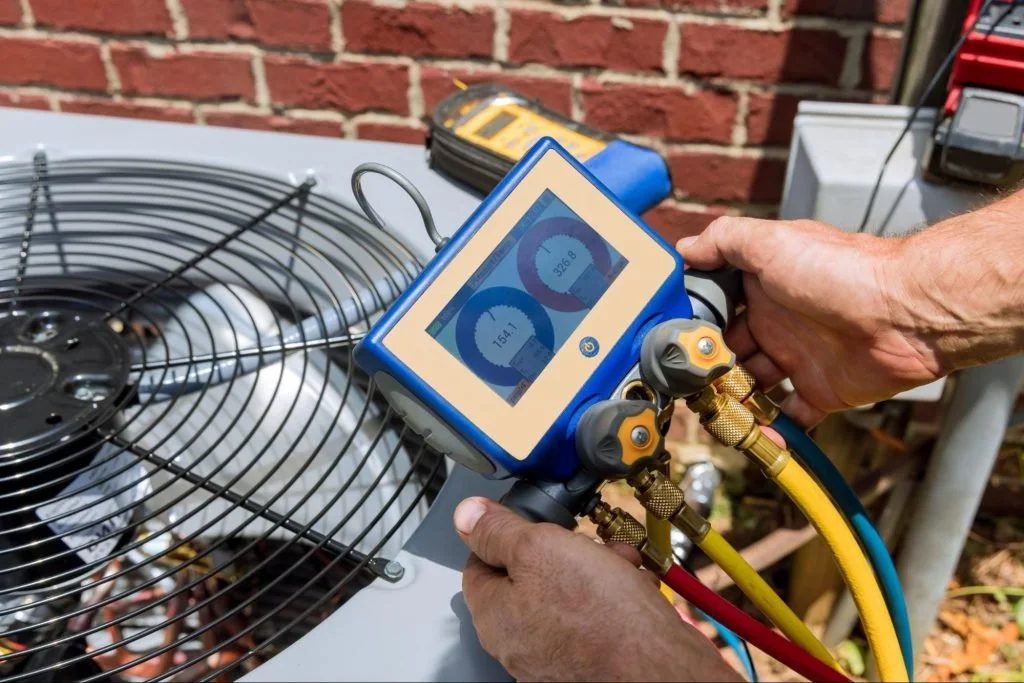
Missouri equipment works hard in both directions, and a system that is dirty or low on charge burns money every cycle. Annual service is inexpensive relative to what it protects.
A programmable or smart thermostat is the cheapest control upgrade available and pays back quickly in a house where the schedule is predictable. It also stops the common pattern of overcooling the whole house to fix one hot room.
Full system replacement is a different conversation. It pays when the existing unit is old, oversized, or failing, and it pays better when you first reduce the load with sealing, insulation, and window treatment so the new system can be sized correctly.
The water heater nobody thinks about
Water heating is a steady share of a household energy bill and it runs regardless of season. Insulating the tank and the first several feet of hot water line is a low-cost improvement most homeowners never do.
When a tank reaches the end of its life, a high-efficiency or heat pump water heater is worth pricing rather than defaulting to the same model. The premium is smaller than most people expect and it applies to every day of ownership.
The improvements that pay at resale
Resale returns follow a consistent pattern nationally and in Missouri markets: exterior and entry projects tend to hold value better than interior remodels, because they affect the first impression and they signal maintenance.
Garage doors, entry doors, siding repair, and straightforward landscaping are the usual leaders. A well-kept exterior in Columbia or Jefferson City moves a house faster than a high-end kitchen finish that only matches one buyer's taste.
Kitchen and bathroom updates still matter, but the return drops sharply as the budget rises. A refreshed kitchen with sound finishes generally returns more of its cost than a full luxury remodel does.
What usually does not pay for itself
In-ground pools are the clearest example in this climate. The season is short, the maintenance is permanent, and a meaningful share of buyers treat a pool as a liability rather than a feature.
Highly personalized projects follow the same logic. Wine cellars, elaborate built-ins, and converted garages narrow your buyer pool and rarely return their cost.
Sunrooms and three-season additions are the one people ask about most. They add usable space, but they are expensive per square foot and, without solar control on all that glass, they often become the least comfortable room in the house.
How to sequence a limited budget
Seal and insulate first, because everything downstream works better afterward. Then treat the glass that is causing the summer problem. Then upgrade the equipment, sized for the reduced load. Then spend on the exterior items that carry the resale value.
Doing it in that order avoids the most common mistake, which is buying a bigger air conditioner to solve a heat gain problem that could have been reduced at the window for a fraction of the cost.
If you are not sure where your losses are, an energy audit will find them, and many Missouri utilities offer rebates on efficiency work that are worth checking before you start.
Where window film fits in your plan
Among home improvements that pay for themselves, window film is unusual because it hits three returns at once: lower cooling costs during the months that drive Missouri energy bills, protection for the flooring and furniture you already paid for, and rooms that are actually comfortable enough to use.
It is also fast. Most homes are finished in a day, with no construction, no permits, and no disruption to the rest of the house.
Unique Visions Solar Tinting has more than ten years of experience and over 800 properties covered across Missouri, with 3M-certified installations backed by a lifetime guarantee. If you want a straight answer on whether film or replacement makes sense for your windows, Contact Us and we’ll be happy to help.
Book a free estimate with Unique Visions Solar Tinting, or find your area on our Columbia and Jefferson City service pages.